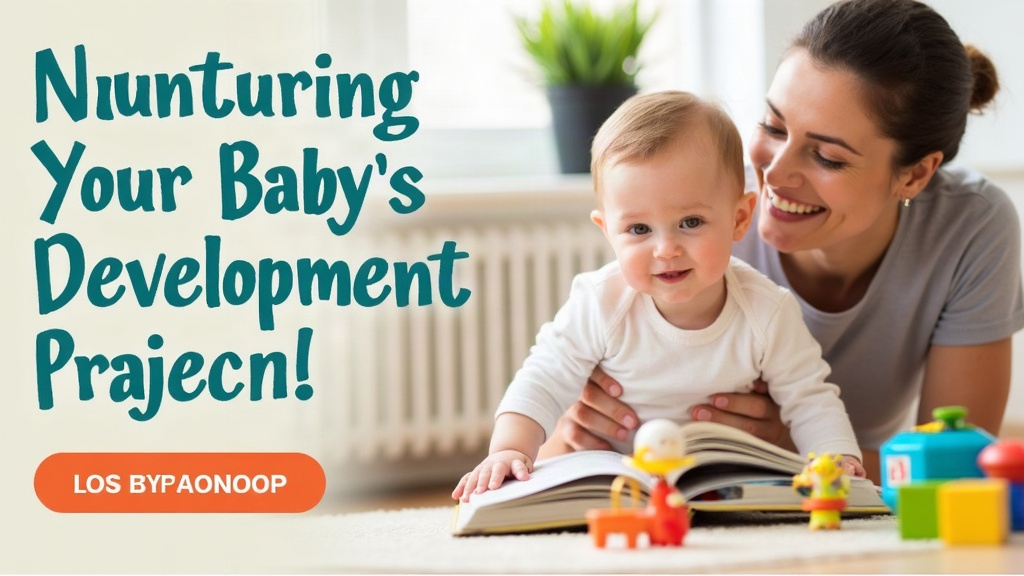
Baby’s development is a captivating journey that begins the moment they enter our lives, presenting a unique mix of joy and responsibility for parents. As remarkable little beings, babies are hardwired to absorb their surroundings, making it critical to create a nurturing environment that fosters their growth. Implementing effective baby growth strategies can significantly impact early child development, ensuring they thrive both physically and emotionally. One such strategy is the importance of tummy time, which enhances strength and coordination, laying the groundwork for future milestones. Additionally, establishing a stimulating environment filled with interactive play for infants helps spark their curiosity, transforming everyday moments into opportunities for learning.
The journey of a child’s growth unfolds in a myriad of fascinating ways, highlighting the significance of nurturing young ones as they blossom into their own personalities. Engaging in early communication and providing varied experiences is key to bolstering brain development and emotional well-being. Parents often seek innovative techniques to foster a child’s capacity for learning, emphasizing the need for a supportive setting brimming with sensory-rich experiences. The value of activities like tummy time and playful engagement cannot be overemphasized, as they are fundamental to shaping a child’s physical abilities and cognitive skills. By nurturing these aspects of infant growth, caregivers can confidently contribute to a child’s holistic development.
The Importance of Tummy Time for Baby’s Development
Tummy time is a crucial activity for babies that significantly contributes to their overall physical development. When placed on their stomachs while awake, babies are encouraged to use muscles that are essential for future milestones such as rolling over, crawling, and eventually walking. During tummy time, babies not only strengthen their neck and shoulder muscles but also develop coordination as they push their bodies up and explore their surroundings. As they become more comfortable in this position, they engage in a natural curiosity that fuels their desire to move and explore, fostering a deeper sense of independence.
Additionally, tummy time provides an opportunity for parents and caregivers to interact closely with their infants. This shared experience can enhance the emotional bond between them while also encouraging the baby to develop visual tracking skills and social engagement. When babies look up at their caregivers, they are learning to recognize faces and expressions, which is vital for their social and emotional development. Creating a regular tummy time routine ensures that babies receive consistent practice, allowing them to reap the full benefits of this necessary activity.
Providing a Stimulating Environment for Infants
Creating an engaging and stimulating environment for infants is integral to promoting their cognitive and sensory development. A thoughtfully arranged space filled with colorful toys, soft textures, and varied sounds can captivate a baby’s attention and encourage exploration. Such an environment helps to enhance not only visual and auditory skills but also the development of motor skills as they reach for objects and interact with their surroundings. For instance, vibrant rattles or soft plush toys can entice babies, inviting them to experiment with grasping and shaking, which further develops their coordination.
Moreover, a stimulating environment extends beyond toys. Simple household items, like pots and pans, can become instruments for exploration and creativity. Parents can also encourage sensory play by providing a variety of safe items with different textures and temperatures, creating opportunities for babies to feel and explore. This hands-on engagement promotes curiosity and problem-solving skills, essential components of early child development. In essence, by curating an environment that fosters interactive play for infants, parents can lay the groundwork for lifelong learning and adaptability.
The Role of Playtime in Baby’s Growth Strategies
Playtime is not just a source of entertainment; it’s a fundamental aspect of a baby’s growth strategy. Engaging in various forms of play—whether alone or with caregivers—helps in the development of crucial skills such as problem-solving, social interaction, and motor skills. Through solitary play, babies learn to entertain themselves, enhancing their creativity and self-regulation. When they engage in interactive play, they learn to share resources, cooperate, and develop communication skills, which are essential for their emotional and social development.
Facilitating interactive play can also involve using simple games, songs, and physical activities like peek-a-boo or gentle wrestling, all of which stimulate language acquisition and sensory development. As babies laugh and respond to these activities, they build confidence and understanding of social cues. Furthermore, varied types of play allow caregivers to model behaviors and skills, providing opportunities for learning through observation and imitation. Therefore, prioritizing playtime as a growth strategy not only enriches a baby’s early experiences but sets the stage for ongoing learning and relationship-building.
Nutrition’s Impact on Early Child Development
Nutrition plays a pivotal role in early child development, significantly influencing a baby’s growth, brain development, and overall health. As your baby transitions to solid foods, offering a balanced diet rich in fruits, vegetables, proteins, and whole grains becomes crucial. These nutritious foods provide the essential vitamins and minerals necessary for optimal brain function and physical growth. For example, iron-rich foods are vital for cognitive development, while omega-3 fatty acids support brain health, reinforcing the importance of dietary choices in a baby’s growth journey.
Additionally, introducing a variety of flavors and textures during weaning can support sensory exploration and acceptance of different foods later in life. By encouraging babies to experience diverse tastes and smells, parents help cultivate an adventurous palate while promoting healthy eating habits. A strong foundation in nutrition not only contributes to immediate growth but also sets the stage for a lifetime of healthy habits and reduced risk of nutritional deficiencies. This commitment to nutritional excellence is a key strategy in nurturing your baby’s development.
Frequently Asked Questions
What are effective strategies for nurturing babies’ development?
Effective strategies for nurturing babies’ development include engaging in early communication, providing a stimulating environment filled with sensory-rich toys, practicing tummy time for muscle strength, reading together daily, and encouraging various types of play. These practices not only support cognitive growth but also foster emotional and social development.
Why is tummy time important for a baby’s development?
Tummy time is essential for a baby’s development as it strengthens their neck, shoulder, and back muscles. This activity prepares infants for crawling and walking, which are critical milestones in early child development. By gradually increasing tummy time, parents can help their babies build the physical strength needed for further growth.
How can I create a stimulating environment for my baby’s development?
To create a stimulating environment for your baby’s development, incorporate colorful toys, books, and sensory-rich materials that encourage exploration. A safe space with varying textures and engaging objects will capture your baby’s attention and promote cognitive skills, contributing to their overall growth.
What is the importance of interactive play for infants in their development?
Interactive play is crucial for infants as it enhances their problem-solving capabilities, motor skills, and social interactions. Through play, babies learn to express emotions, communicate, and build relationships. Encouraging both solitary and interactive play provides a holistic approach to nurturing your baby’s development.
| Strategy | Key Points |
|---|---|
| Engage in Early Communication | Talk to your baby from the moment they arrive, using a gentle tone to foster brain connections and language development. |
| Provide a Stimulating Environment | Create a safe space with colorful toys and textures to help develop cognitive and motor skills. |
| Practice Tummy Time | Essential for strengthening neck and back muscles, aiding in physical development and crawling preparation. |
| Read Together Daily | Reading to your baby enhances language exposure, listening skills, and strengthens your bond. |
| Encourage Playtime | Helps develop problem-solving skills, improves motor skills, and enhances social interactions. |
| Establish a Routine | A consistent schedule for feeding, sleeping, and playtime provides security and emotional stability. |
| Promote Interaction with Other Children | Socialization through playdates helps in developing empathy, sharing, and communication skills. |
| Nutritious Diet | Balanced diet rich in vitamins supports brain development, introducing various flavors for sensory experience. |
| Be Responsive | Prompt response to your baby’s cues fosters trust, emotional security, and strong attachment. |
| Limit Screen Time | Avoid screen time under 18 months to prevent hindrance to social and intellectual development; focus on real-life interactions. |
Summary
Baby’s development is a journey filled with moments of joy and challenge. To nurture your little one’s growth, it’s essential to implement strategies that foster a loving and enriching environment. Engaging in daily communication, providing stimulating play areas, and establishing routines are just the beginning steps that contribute to their overall well-being. As parents, your responsiveness and understanding of your baby’s needs lay the groundwork for their emotional and social skills. By incorporating these nurturing practices into your lives, you not only promote healthy growth but also create cherished memories that you both will treasure as they continue to develop into their unique selves.
Introducing Autowp, the ultimate AI content generator and AI content creator plugin for WordPress that transforms your content creation process effortlessly. With its powerful AI-driven capabilities, Autowp empowers you to generate engaging and SEO-friendly articles, blog posts, and website copy in minutes, freeing up your time to focus on what matters most. Discover the future of content creation by visiting Autowp’s official site today! To remove this promotional paragraph, upgrade to Autowp Premium membership.