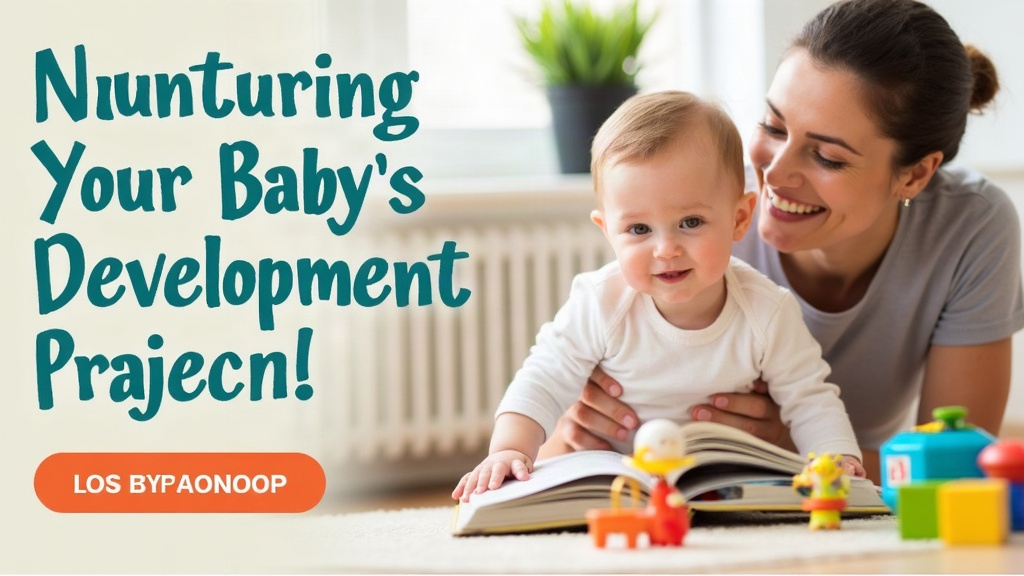
Positive parenting tips are essential for fostering a nurturing environment for toddlers aged 1 to 2 years, laying the groundwork for their future development. During this dynamic stage, children reach significant developmental milestones that influence their emotional and social growth. Engaging in activities that support their exploration and language skills is crucial in this phase of life. Furthermore, parents can benefit from understanding child safety tips and healthy eating for toddlers, ensuring that their little ones thrive both physically and emotionally. With appropriate screen time guidelines for toddlers, caregivers can also ensure a balanced approach to technology as they navigate these formative years.
In the realm of child-rearing, effective strategies can significantly enhance the parenting experience, particularly during the early years of a child’s life. These valuable insights, often referred to as effective management techniques, help parents create a stable and supportive environment for their young ones. By focusing on crucial areas like health, safety, and appropriate media usage, caregivers can guide their toddlers through essential developmental phases. Understanding toddler growth patterns and encouraging positive behaviors are pivotal in nurturing well-rounded children. Ultimately, these guidelines serve as vital resources in raising happy, healthy toddlers who are ready to explore the world.
Understanding Toddler Developmental Milestones
During the early years, particularly between ages 1 to 2, toddlers experience significant developmental milestones that shape their cognitive and emotional growth. Key milestones include not just physical skills like walking and jumping, but also social abilities such as recognizing familiar faces and expressing simple emotions. As children engage in activities—whether it’s waving goodbye or mimicking adult behaviors—they build essential skills that foster independence and self-awareness. Monitoring these milestones helps parents understand their child’s progress and adjust engagement strategies to nurture growth.
Moreover, playtime is particularly crucial in this developmental stage. Activities like matching games, simple puzzles, and exploring the environment support their physical development and cognitive skills. Encouraging toddlers to use language by discussing what they see or asking them to help with small tasks enhances their ability to communicate effectively. These milestones not only indicate a child’s readiness for more complex learning but also provide parents with opportunities to bond through interactive play.
Positive Parenting Tips for Toddlers
Positive parenting is essential for fostering a nurturing environment for toddlers. One effective strategy is daily reading, which opens up a world of language and imagination for children. Engaging toddlers in discussions about pictures or stories helps them articulate their thoughts and feelings. By using positive reinforcement instead of focusing solely on discipline, you instill good behavior through encouragement—celebrating their successes will motivate them to continue learning and exploring.
Incorporating practical activities that align with daily routines is also beneficial. Allowing toddlers to aid in dressing or simpler tasks like setting the table empowers them and builds self-esteem. Moreover, parents should emphasize exploration and curiosity by organizing outings where they can interact with various environments, like visiting parks or engaging in community activities. Such experiences not only support their development but also create lasting memories between parent and child.
Essential Child Safety Tips
As toddlers grow and begin to explore their surroundings, safety becomes a top priority for parents. Child safety tips are crucial: always supervise toddlers near water, as drowning risks elevate significantly during these exploratory stages. Using safety gates at the top of stairs, locking doors to hazardous areas, and making the home toddler-proof by covering electrical outlets are essential proactive measures. These steps ensure that as your toddler gains mobility, they remain safe while they discover the world around them.
Additionally, regular checks around the home for potential hazards may help parents mitigate risks effectively. Ensuring that sharp objects are out of reach and that cleaning supplies are securely stored can prevent accidents. Teaching toddlers about safety in a simple, positive manner—like explaining why they cannot touch sharp objects or why they must stay away from open water—can foster awareness and develop their understanding of safety.
Healthy Eating for Toddlers
Fostering healthy eating habits early on is critical for your toddler’s overall well-being. Encouraging your child to enjoy a variety of vegetables and fruits helps establish permanent dietary habits. Given that toddlers often go through phases of picky eating, it’s essential to avoid power struggles over food. Instead, provide options and let them choose what they want to eat from a range of healthy alternatives, which respects their autonomy and encourages them to explore new tastes.
Moreover, proper hydration plays a vital role in maintaining a toddler’s energy levels and overall health. Offering water instead of sugary drinks and limiting juice intake paves the way for healthier choices. Including milk as a means to obtain calcium and promoting balanced meals can greatly impact their growth and energy levels. Being consistent with meal times helps set a routine that supports healthy eating patterns, making it easier for toddlers to adapt to nutritious options.
Guidelines for Screen Time with Toddlers
Navigating screen time with toddlers requires intentionality to ensure balanced development. The American Academy of Pediatrics suggests minimal screen time for children under 18 months, with video chatting being the only exception. Setting clear screen time guidelines is critical; parents can model healthy usage and encourage interactive play instead of solitary screen engagement. By limiting exposure to screens, you give your toddler the opportunity to engage in imaginative play, which aids their emotional and cognitive growth.
Additionally, it’s beneficial to create a family media use plan that includes designated times for technology use. This approach helps parents balance screen time with physical activities and educational opportunities. Engaging in activities together, such as cooking or going outside, promotes physical well-being and healthy interaction. Teaching your toddler to understand the value of real-life interactions over digital media helps cultivate meaningful relationships and a foundation for healthy social development.
Encouraging Toddler Independence
Encouraging independence in toddlers is a crucial part of their emotional development. As toddlers start to explore their world, allowing them to practice self-feeding or choosing their clothes can foster a sense of accomplishment. When you provide choices—perhaps between two healthy snacks or different toys—it lets them feel involved and respected. This sense of control nurtures self-confidence and can diminish challenging behaviors that often stem from frustration or insecurity.
Moreover, it’s important to strike a balance between promoting independence and ensuring safety. As toddlers venture into new activities, participate actively but let them take the lead. Banishing the need to hover excessively allows them to learn from failures in a safe environment. Supervising their efforts and offering help only when necessary cultivates problem-solving skills and resilience. Such practices promote healthy independence, equipping them for future challenges beyond toddlerhood.
Promoting Language Development
Language development is pivotal during the toddler years, and parents can significantly influence this through interaction. Reading to your toddler every day exposes them to new vocabulary and different sentence structures, setting a solid foundation for language skills. Simple conversations about their day or describing activities as you engage with them further enhance their understanding of speech and communication. Using clear and simple language as well as repeating words can also help toddlers grasp language better.
Engagement is key; ask open-ended questions to encourage toddlers to express themselves. For example, when looking at a picture together, inviting them to describe the scene can spur their verbal skills. Providing them with opportunities to listen to stories, songs, or rhymes can also promote phonetic awareness. Positive reinforcement when they attempt to communicate encourages them to open up more, fostering a love for language that will benefit them in the long run.
Exploring Social Skills in Toddlers
As toddlers begin to interact more with peers and adults, the development of social skills becomes important. Encouraging group play helps toddlers learn the basics of sharing, taking turns, and understanding others’ feelings. Participating in community activities or playgroups offers valuable opportunities for interaction and helps them navigate emotional responses in social settings. Practicing empathy through roleplay or discussing feelings during everyday experiences teaches toddlers how to express and manage their emotions.
Furthermore, guiding toddlers through social scenarios enhances their ability to communicate effectively. Discussing the importance of greetings and polite behaviors reinforces their understanding of appropriate social interactions. When disagreements occur during play, parents can help mediate, teaching toddlers constructive ways to resolve conflicts. These experiences not only enhance social skills but also lay the groundwork for future relationships and successful interpersonal communication.
Incorporating Exercise into Daily Routines
Physical activity is vital to a toddler’s development as it enhances coordination, strength, and social skills. Encouraging daily exercise can be as simple as dancing to music, participating in obstacle courses, or playing outside. Allocating time for active play allows toddlers to explore their physical capabilities and fosters creativity. It’s essential to approach exercise as a fun part of their day—whether it’s a walk in the park or playing catch in the backyard, these activities boost their overall health as well.
Moreover, engaging in physical activities together presents an opportunity to bond while teaching toddlers about the importance of a healthy lifestyle. Hosting family games or interactive activities that promote movement instills a sense of teamwork and communal fun. Setting aside regular active times encourages healthy habits early on, which paves the way for a more active lifestyle as they grow. Furthermore, allowing toddlers to lead or suggest their favorite activities boosts their confidence and ownership of their physical health.
Frequently Asked Questions
What are some effective tips for parenting toddlers aged 1-2 years?
Effective tips for parenting toddlers include reading to your child daily, encouraging them to explore and imitate actions, and fostering their independence by allowing them to help with tasks like dressing. Ensuring positive reinforcement of behaviors is key while employing brief time-outs for negative actions. Engaging with toddlers through matching games and naming objects aids their developmental milestones.
How can I understand toddler developmental milestones to aid in positive parenting?
Understanding toddler developmental milestones is vital for positive parenting. At ages 1-2, toddlers typically develop skills such as walking, talking, and recognizing themselves. Parents should encourage language development by expanding on their toddler’s words and supporting their exploration of the environment to ensure healthy growth.
What child safety tips are essential for parents of toddlers?
Child safety tips for toddlers include never leaving them unattended near water, securing stairs with gates, and toddler-proofing your home by covering outlets and storing hazardous items out of reach. Always ensure supervision and adherence to safety measures, especially in vehicles.
What are some healthy eating tips for toddlers to promote their growth?
Healthy eating tips for toddlers involve offering water and plain milk, introducing a variety of nutritious foods without engaging in food battles, and allowing them to choose what they eat. Encourage active play to aid their physical health while ensuring they receive proper nutrients to support their development.
What are the recommended screen time guidelines for toddlers?
The American Academy of Pediatrics recommends that toddlers under 18 months avoid screen media, except for video chats. It’s important for parents to limit screen time and develop a media use plan that promotes healthy interactions and activities away from screens.
| Key Points | Details |
|---|---|
| As a parent, you provide your children a solid foundation for life. | You nurture, protect, and guide them. |
| Understand developmental milestones for toddlers (1-2 years). | Includes emotional and social development. |
| Help your child stay safe and healthy. | Implement safety measures and foster independence. |
| Encourage literacy and language development. | Read daily, engage in games, and talk with your toddler. |
| Focus on positive behaviors. | Emphasize positive actions rather than punishments. |
| Establish a safe environment for exploration. | Keep hazardous items out of reach and supervise near water. |
| Ensure healthy eating habits. | Offer a variety of healthy foods and monitor hydration. |
| Limit screen time. | Follow AAP guidelines for media usage. |
Summary
Positive parenting tips are essential for nurturing your toddler’s development from ages 1 to 2. It is vital to engage actively with your child during this formative period, providing the support they need for emotional, social, and physical growth. By encouraging exploration and independence while ensuring safety and healthy habits, you lay a strong foundation for their future.
Transform your WordPress site with Autowp, the ultimate AI content generator and AI content creator plugin designed to streamline your content production process. Whether you need high-quality articles, engaging blog posts, or captivating product descriptions, Autowp leverages advanced AI technology to deliver content that resonates with your audience and boosts your SEO efforts. Don’t miss out on the opportunity to elevate your digital presence with tailored content created effortlessly. To remove this promotional paragraph, upgrade to Autowp Premium membership.