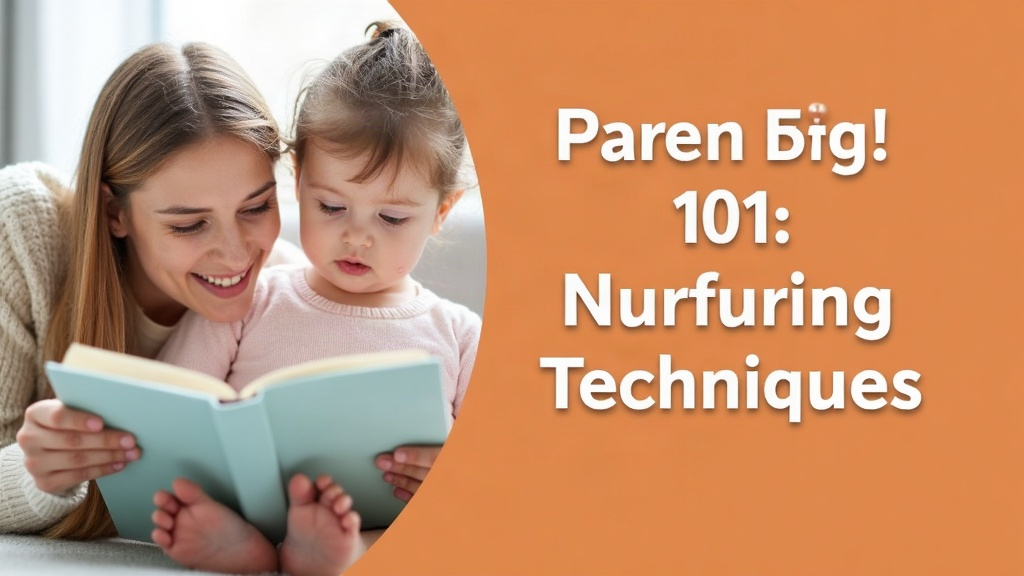
Positive parenting tips are essential for nurturing your baby’s development in those crucial early years. As your little one grows, understanding key parenting advice can empower you to support their infant development effectively. During the first year, you’ll witness incredible baby milestones, such as their first smile or steps, which are pivotal in their social and emotional growth. By engaging in positive parenting techniques, you create a loving environment that encourages learning and exploration. These parenting tips for infants not only promote cognitive skills but also strengthen the bond that shapes your child’s future interactions.
When it comes to raising infants, effective parenting strategies make a significant difference in their overall growth. From fostering a secure attachment to recognizing important developmental changes, applying various supportive measures can greatly influence your child’s early experiences. Techniques focused on nurturing, such as establishing routines and engaging through play, help cultivate essential skills. Additionally, being informed about crucial milestones can aid parents in guiding their little ones during this formative stage. Utilizing nurturing methodologies paves the way for a healthy, happy relationship as your child learns to navigate the world.
Understanding Infant Developmental Milestones
Tracking your baby’s developmental milestones is essential in promoting healthy growth during their first year. Milestones such as smiling, crawling, and taking their first steps indicate healthy physical, cognitive, and social development. Parents should become familiar with these benchmarks to ensure their baby achieves them as expected. It’s crucial to remember that every child develops at their own pace, but recognizing these signs can help you gauge if your child is on the right track.
Emotional and social development is also an integral part of your child’s early growth. Interacting with your baby through play, conversation, and cuddling not only fosters a loving bond but also enhances their ability to form relationships in the future. Observing how your baby responds to being held or spoken to can give insight into their developing social skills. Engaging regularly with your infant will promote secure attachments and encourage healthier social behaviors as they grow.
Positive Parenting Tips for Infants
Positive parenting techniques can greatly enhance your baby’s happiness and development in their first year. Speaking softly to your baby, mimicking their sounds, and reading to them not only supports language development but also creates a rhythm of communication that is comforting. Engaging with your infant by singing songs or playing music nurtures their love for sound and supports their cognitive and emotional growth too. These interactions are vital as they teach your baby that communication is rewarding and establish trust.
Offering consistent praise and affection is a critical aspect of positive parenting. When you celebrate your baby’s milestones, whether it’s their first smile or a new sound they make, you reinforce their confidence and encourage them to explore further. Additionally, taking time to cuddle and bond during playtime helps them feel secure and loved, which is essential for their emotional health. Always be attentive to their needs, as establishing a loving environment sets the cornerstone for your child’s future personality.
Ensuring Your Baby’s Safety
Child safety is paramount when you welcome an infant into your home. It’s essential to evaluate your living space for potential hazards that could affect your baby’s safety. From sharp objects to small toys that could pose choking risks, a thorough examination will help mitigate any dangers. Additionally, never shake a baby, as this can lead to severe injury. Always follow car seat guidelines, ensuring they remain secure in a rear-facing seat to protect them during travel.
Creating a safe environment also includes establishing proper sleeping arrangements. Always place your baby to sleep on their back to reduce the risk of Sudden Infant Death Syndrome (SIDS). Moreover, protect your baby from secondhand smoke by creating a smoke-free zone in your home. Staying informed about safety measures and adhering to these guidelines will help ensure a secure setting for your infant, fostering a healthy and loving upbringing.
Promoting Healthy Sleep Habits for Infants
Healthy sleep habits are crucial for an infant’s development and well-being. For babies aged four to twelve months, it’s recommended they receive between twelve to sixteen hours of sleep each day, inclusive of naps. Establishing a calming bedtime routine early on can make a significant difference in helping your baby feel secure and ready to sleep. Consider activities such as gentle rocking or soft music to create a peaceful atmosphere that encourages restful sleep.
Additionally, it’s important to stay attentive to your baby’s sleep cues. Recognizing when your baby is tired can help you prevent overtiredness, which often leads to fussiness and difficulty in sleeping. Avoiding excessive stimulation before bedtime can help create a serene environment conducive to sleep. By prioritizing good sleep practices, you will support your baby’s physical health and cognitive development, ensuring they grow and thrive as they should.
Nutrition and Feeding Your Infant
Breastfeeding provides the most balanced and nutritious start for your baby during the initial months of life. This natural source of nourishment meets your infant’s dietary requirements, fostering healthy growth and development. After six months, introducing solid foods allows your baby to explore new tastes and textures while still receiving essential benefits from breast milk. Always approach feeding with patience, encouraging your little one to try new foods without pressure.
As you progress with feeding, keep an eye on your baby’s reactions to different foods to ensure they are not experiencing allergic reactions or discomfort. Encourage active eating by engaging with your baby during mealtime, holding them, and offering small pieces of soft foods to explore. This will also help establish positive eating habits early on, setting the stage for healthy nutritional choices as they grow.
Supporting Emotional Development Through Interaction
Your interactions with your baby greatly influence their emotional and social development. Consistent cuddling, eye contact, and responsive caregiving foster a sense of security and attachment. When you promptly respond to your baby’s needs, whether they are hungry or need comfort, you reinforce their trust in you, which is vital for their emotional growth. These moments lay the groundwork for healthy relationships as they grow.
Playing and engaging with your infant goes beyond mere entertainment; it provides crucial learning experiences. Activities such as peek-a-boo not only amuse but also teach your baby about social interaction and the back-and-forth nature of communication. As your baby grows, imbedding these playful interactions into daily routines will bolster their ability to connect with others and cultivate their emotional intelligence.
The Importance of Interaction in Infant Growth
The first year of an infant’s life is marked by rapid growth and development, and interactions with caregivers play a critical role during this time. Talking, singing, and playing with your baby are not only fun but essential for their cognitive and emotional growth. Each engagement contributes to their understanding of language and social cues, essentially laying the foundation for future communication skills.
Additionally, interaction helps promote cognitive development as babies learn to respond to different stimuli through touch, sound, and sight. Engaging your baby in playful activities encourages exploration and improves their ability to learn about their environment. By creating an interactive and stimulating atmosphere, parents can significantly foster their infant’s overall development and emotional well-being.
Handling Challenges in Parenting Infants
Parenting an infant can come with unique challenges that require patience and understanding. Sleep interruptions, feeding difficulties, and irritability may arise, leading to stress for both the parent and the baby. Acknowledging these challenges is the first step in managing them effectively. It is crucial for parents to practice self-care and reach out for support when needed, whether from family, friends, or health professionals.
Moreover, learning about common challenges related to breastfeeding, sleep schedules, and infant health will help you feel more equipped to handle any situation. Educating yourself through resources or connecting with other parents can provide strategies and reassurance. Remember that it’s normal to face difficulties in parenting and seeking help is a proactive step towards creating a nurturing environment for your little one.
Utilizing Resources for Parenting Support
When navigating the world of parenting, resources such as community support groups and healthcare professionals can offer valuable assistance. Engaging with local parenting classes or helplines can provide insight into various aspects of infant care, from feeding practices to developmental milestones. The support of others in similar situations can ease the feelings of isolation that sometimes accompany parenting, helping you feel more connected and informed.
Additionally, online resources from reliable health organizations, such as the CDC, can provide current guidelines on child safety, nutrition, and developmental tracking. These resources not only inform you but also equip you with the tools you need to make informed decisions regarding your baby’s care. By utilizing available resources, you can enhance your parenting journey and ensure you are giving your child the best possible start in life.
Frequently Asked Questions
What are some positive parenting tips for infants during their first year?
Positive parenting tips for infants include engaging in regular communication, such as talking and singing to your baby, which supports their language development. Additionally, responding to your baby’s sounds and expressions fosters emotional bonding. Reading to your infant introduces them to language and sounds, while consistent cuddling and attention provide them with a sense of security, crucial for their emotional and social development.
How can I support my baby’s development with positive parenting techniques?
To support your baby’s development using positive parenting techniques, focus on following their developmental milestones. These include encouraging them to reach and grasp, and providing safe exploration opportunities. Use praise and encouragement as your baby achieves new milestones, such as crawling or walking, to boost their confidence and reinforce positive behavior.
What is the importance of responding to my baby’s sounds as part of positive parenting advice?
Responding to your baby’s sounds is a vital part of positive parenting advice as it promotes their language acquisition skills. By mimicking their sounds and adding words, you help your baby learn how to communicate effectively. This interaction also strengthens your emotional bond, leading to enhanced social development during their formative years.
How can I ensure my infant’s safety while practicing positive parenting tips?
Ensuring your infant’s safety while practicing positive parenting tips involves removing hazards from their environment and closely monitoring their activities. Always use a rear-facing car seat, avoid choking hazards, and ensure your baby sleeps on their back. Implementing safety measures allows you to focus on bonding and engaging positively with your baby.
What are key milestones for infants that positive parenting tips can help achieve?
Key milestones for infants include developing motor skills like crawling and walking, along with social milestones like smiling and engaging through play. Positive parenting tips—such as encouraging exploration, providing opportunities for play, and showing affection—can help support these milestones, fostering your baby’s cognitive, emotional, and social development.
How does my involvement and nurturing as a parent impact my baby’s development?
Your involvement and nurturing directly affect your baby’s development by building a secure attachment. Positive interactions through cuddling, talking, and playing promote healthy emotional and social development. This strong bond enhances your baby’s ability to explore, learn, and form relationships, laying the foundation for their future.
What strategies can I use to promote language development in my infant through positive parenting?
To promote language development in your infant, incorporate positive parenting strategies such as speaking clearly and frequently, reading aloud, and singing. Using expressive tones and gestures while communicating encourages your child to recognize sounds and words, facilitating language acquisition and cognitive growth during their crucial early years.
How can positive parenting tips aid in monitoring my infant’s milestones?
Positive parenting tips can aid in monitoring your infant’s milestones by encouraging observation and interaction. Engage with your baby during playtime and be attentive to their reactions. Documenting their achievements, like first words or steps, allows you to celebrate progress and address any developmental concerns promptly with your pediatrician.
What role does feeding play in my infant’s development as part of positive parenting tips?
Feeding is crucial to your infant’s development within positive parenting tips. Proper nutrition through breastfeeding or introducing solid foods aids in physical growth and brain development. Encouraging a variety of healthy foods, while remaining patient and attentive, helps your baby develop healthy eating habits and fosters an enjoyable mealtime experience.
What should I do if I have concerns about my infant’s development despite following positive parenting tips?
If you have concerns about your infant’s development, it’s essential to consult your pediatrician for guidance. Despite following positive parenting tips, professional evaluations can provide reassurance or identify areas needing support. Early intervention is key, so do not hesitate to reach out for assistance in monitoring and fostering your child’s growth.
| Key Points | Details | |
|---|---|---|
| Provide a good start in life. | Nurture, protect, and guide your child. | |
| Understand developmental milestones. | Skills such as taking a first step or smiling are key milestones. | |
| Talk and interact with your baby. | Talking, reading, and singing support language development. | |
| Create a safe environment. | Ensure your home is free from hazards for your baby. | |
| Take care of yourself. | Your well-being impacts your ability to parent positively. | |
| Focus on healthy nutrition. | Breastfeeding for the first 6 months is critical. | |
Summary
Positive parenting tips are essential for nurturing a child’s development from infancy through their formative years. By engaging in activities like talking, reading, and playing with your baby, you lay a solid foundation for their emotional and cognitive growth. Ensuring a safe environment, prioritizing healthy nutrition, and taking care of your own well-being further enhance your parenting journey, creating secure and loving bonds that benefit both you and your child.
Looking to enhance your WordPress site with cutting-edge technology? Meet Autowp, the ultimate AI content generator and AI content creator plugin designed to help you effortlessly produce high-quality, engaging content in minutes. With Autowp, you can revolutionize your content strategy, attract more visitors, and keep your audience engaged—all while saving valuable time. Discover the future of content creation at Autowp. To remove this promotional paragraph, upgrade to Autowp Premium membership.