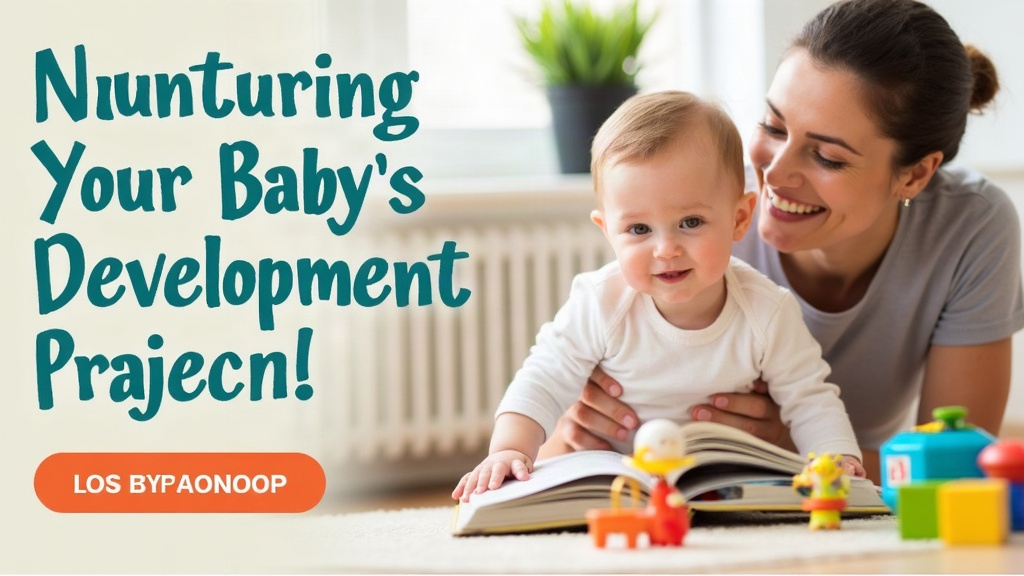
Establishing a nurturing routine is vital for cultivating an enriching environment that supports child development. By seamlessly blending play with structured activities, parents can foster emotional intelligence in children, allowing them to thrive in both social and academic settings. A well-defined daily routine for kids not only instills a sense of security but also encourages a balanced approach to learning through free play and organized tasks. This blog post will explore the importance of routine, sharing practical strategies to help parents maintain that equilibrium between creativity and discipline. Dive in as we uncover how fostering a nurturing routine can lay the groundwork for lifelong skills and confidence.
Understanding the significance of a supportive daily schedule is key to nurturing your child’s growth and development. This concept, often referred to as a structured environment, emphasizes the importance of including predictable activities alongside opportunities for unstructured play. By creating a healthy balance between educational tasks and fun, parents can effectively enhance their child’s emotional resilience and social skills. Join us as we explore the various methods to create an enriching framework that incorporates both learning moments and free exploration, ensuring a holistic approach to your child’s well-being.
Crafting a Nurturing Routine for Child Development
Creating a nurturing routine is paramount for every child’s development. It provides the structure they need to feel secure while still allowing for spontaneous play, which is crucial for emotional and cognitive growth. By establishing a daily schedule that intertwines structured activities with free play, parents can help their children cultivate a sense of balance in their lives. For instance, a morning routine that includes time for breakfast, chores, and a 30-minute free play session not only supports their physical needs but also nurtures their creativity and problem-solving abilities.
This nurturing routine is about more than just keeping children busy; it plays a significant role in developing their emotional intelligence. By allowing children dedicated free playtime, they learn to navigate social interactions, express emotions, and even develop empathy. Involving kids in choosing their routines can further enhance this development as it fosters a sense of agency, allowing them to feel valued and respected in their environment. When children feel they are a part of the planning, they are more likely to adhere to their routines with enthusiasm.
The Role of Free Play in Structured Activities
Free play is often underestimated in the context of child development, yet it serves as a cornerstone of learning and emotional growth. While structured activities provide direction and goals, free play allows children to explore their interests and abilities without limitations. This exploration is vital as it encourages critical thinking and fosters creativity. Activities like building with blocks, drawing, or imaginative role play help children learn how to navigate challenges, communicate with peers, and express their feelings in a safe environment.
Additionally, integrating free play into a nurturing routine is essential for emotional resilience. Children learn how to cope with successes and failures during free play, which enhances their emotional intelligence. When children engage in self-directed activities, they also practice decision-making skills that are essential for their future. Thus, finding a healthy balance between structured activities and free play not only supports their academic learning but is also crucial for cultivating confident, emotionally intelligent individuals.
Involving Children in Routine Planning for Ownership
Involving children in the planning of their daily routines can significantly boost their willingness to participate in those routines. When children have a say in what activities they engage in, they feel a sense of ownership and excitement about their daily schedule. This collaborative approach not only makes the routines more enjoyable for children but also teaches them the importance of responsibility and planning. For example, allowing them to choose a favorite learning activity or a free play game can lead to a more enthusiastic participation.
Moreover, when children contribute to the planning process, they are better prepared to understand and manage their time. This process also encourages critical thinking as they weigh their choices and activities. In this sense, children learn that not only are routines important for their structure and organization, but they also have the power to influence their own daily experiences. As they engage in this process, parents can use the opportunity to discuss the importance of balancing structured activities and free play, further boosting their emotional intelligence.
Setting Realistic Expectations for Daily Routine
Setting realistic expectations is vital when establishing a nurturing routine for children. Understanding that child development varies from one individual to another means being compassionate and flexible as they grow. Young children, in particular, have short attention spans and varying energy levels, which is why it’s essential to tailor routines that fit their developmental stage. Breaking up learning activities into shorter, more manageable segments can help maintain engagement and reduce frustration.
Additionally, parents should remember to adjust their routines as their children grow and adapt to new skills. Recognizing cues that indicate a child is overwhelmed or bored is crucial for maintaining a positive daily routine. By being attentive and responsive, parents not only support their children’s academic and emotional development but also foster an environment of trust and understanding. This adaptability within the nurturing routine will create a harmonious balance between play and structure, allowing children to flourish.
Frequently Asked Questions
What is the importance of a nurturing routine in child development?
A nurturing routine is crucial in child development as it provides a structured environment that fosters security and predictability. This sense of structure helps children understand what to expect throughout their day, which can enhance their emotional intelligence and reduce anxiety during transitions. By combining structured activities with free play, parents can support their child’s growth and learning effectively.
How can I balance play and structured activities in my child’s daily routine?
Balancing play and structured activities in your child’s daily routine involves creating a schedule that allocates time for both. Include structured learning sessions alongside free play periods, allowing your child to explore their interests. By incorporating educational activities into play, such as arts and crafts or interactive story time, you can enhance learning while maintaining the joy of play, ultimately promoting healthy development.
What role does free play have in a nurturing routine for children?
Free play is a vital component of a nurturing routine, as it encourages creativity, social skills, and emotional growth. It allows children the freedom to explore their interests, solve problems, and engage with peers. While structured activities provide essential learning opportunities, unstructured play fosters independence and emotional resilience, making it an important balance within a daily routine.
How can I involve my child in creating their daily routine?
Involving your child in creating their daily routine can increase their investment in the activities planned. Sit down with them to discuss their favorite activities and how to incorporate necessary tasks like meals and learning. By allowing your child to have a say in their routine, you empower them, increase their accountability, and make them more enthusiastic about following it, laying the foundation for a positive nurturing routine.
| Key Point | Explanation |
|---|---|
| Creating a Nurturing Routine | Fosters a positive development environment for children. |
| Importance of Routines | Helps children feel secure by providing a predictable daily structure. |
| Balancing Play and Structure | Essential for promoting child’s well-being and growth through a mix of learning and play. |
| Daily Schedule | Includes meals, play, learning, and rest for a structured day. |
| Incorporating Play into Learning | Integrating educational activities into play enhances learning and creativity. |
| Allowing Free Play | Important for emotional and social development, allowing exploration and creativity. |
| Setting Realistic Expectations | Adjusting activities based on child’s focus and developmental stage. |
| Including Family Time | Strengthens family bonds and teaches cooperation through shared activities. |
| Emotional Check-ins | Promotes emotional intelligence by discussing feelings and coping strategies. |
| Involving Kids in Planning | Empowers children by allowing them to have a say in their routine. |
Summary
Creating a nurturing routine is vital for your child’s holistic development. As parents, establishing a daily structure that harmonizes play and learning not only promotes a sense of security but also empowers children to express themselves emotionally. By setting clear expectations, involving children in planning their schedules, and ensuring time for family bonding, you weave a supportive environment where they can flourish. Always remember the importance of flexibility; adjusting routines to fit your child’s changing needs will ensure they feel heard and understood. Through these thoughtful practices, you’re not just cultivating a schedule, but you’re fostering cherished memories and foundational skills that will support their growth for years to come.
Introducing Autowp, the ultimate AI content generator and AI content creator plugin for WordPress that revolutionizes how you create website content! With Autowp, harness the power of artificial intelligence to generate engaging and relevant articles, blog posts, and marketing copy effortlessly, ensuring your website stays fresh and appealing to your audience. Whether you are a blogger, a marketer, or a business owner, Autowp empowers you to enhance your content strategy and boost your SEO rankings with ease. Don’t miss out on the future of content creation—try Autowp today! To remove this promotional paragraph, upgrade to Autowp Premium membership.